Electric two-wheeler sales surpassed 207,000 units in September 2026, with TVS and Bajaj dominating the market, indicating strong consumer uptake.
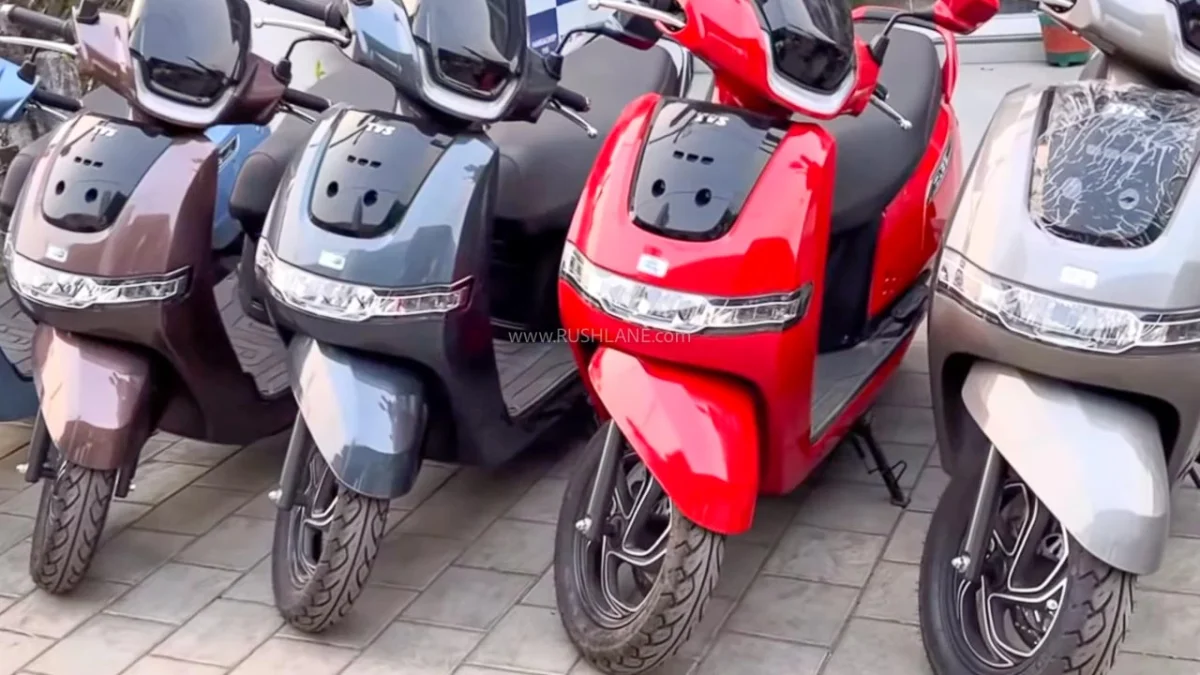
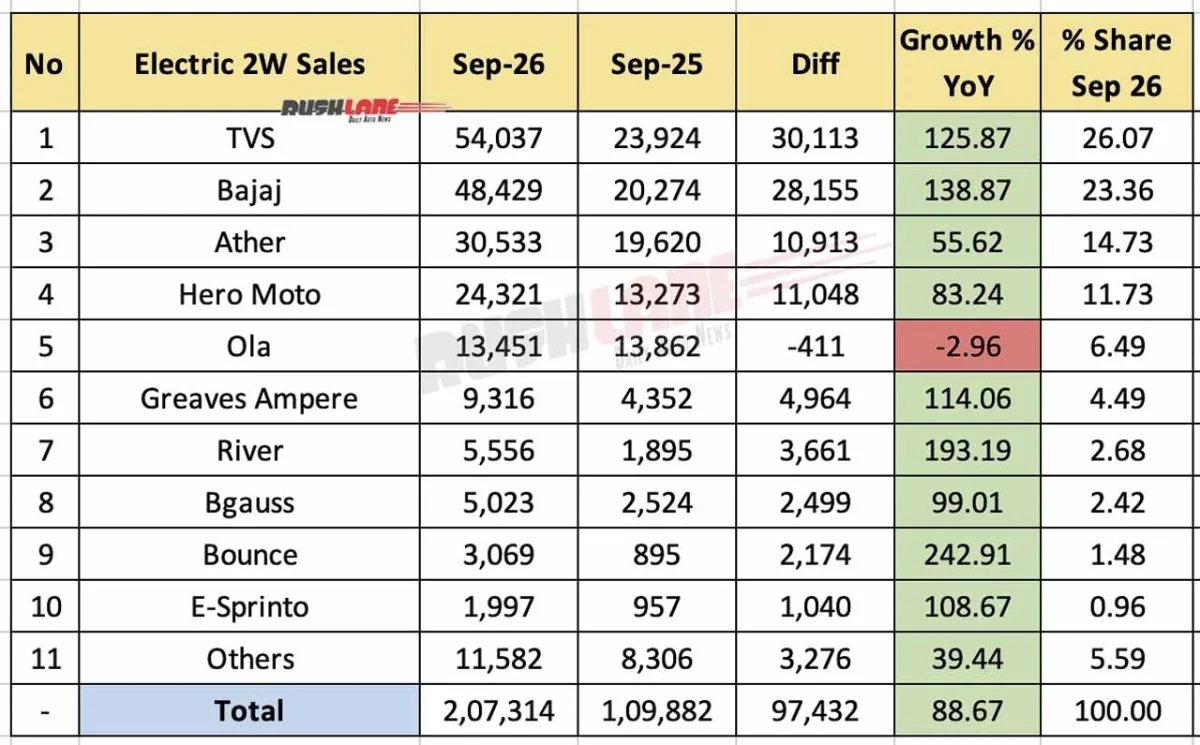
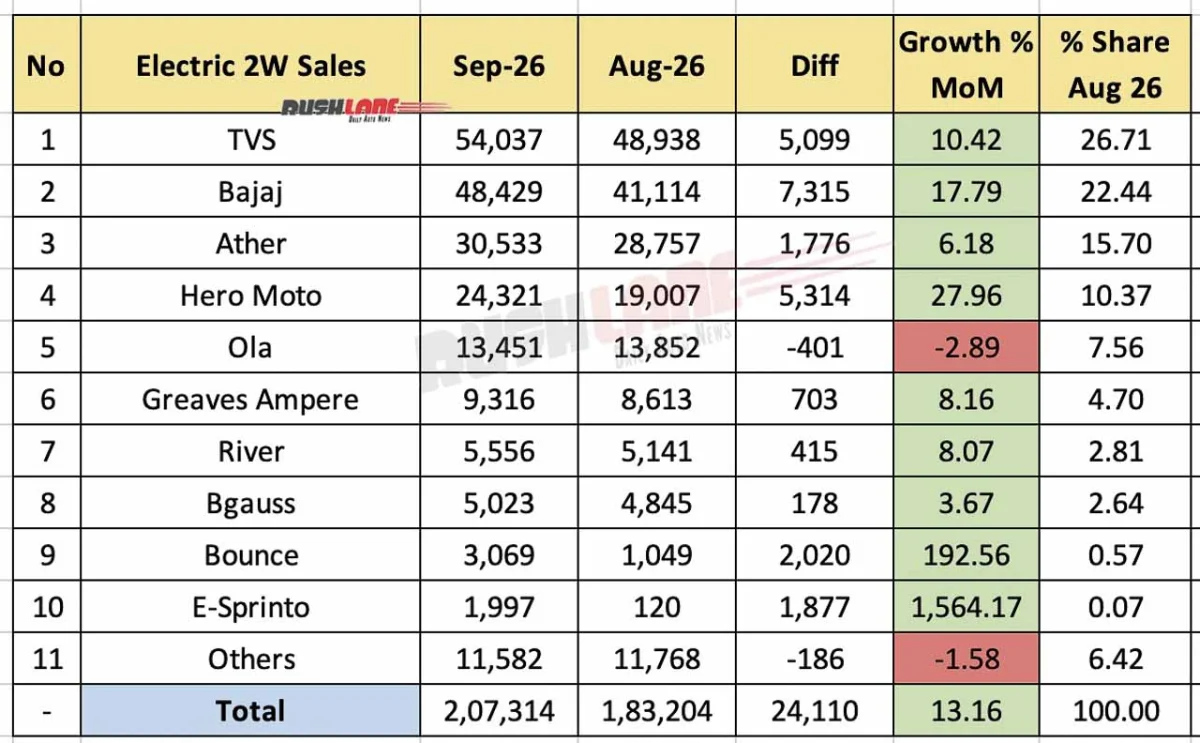
In September 2026, the electric two-wheeler market saw a significant surge, with sales reaching 207,314 units. This marks an impressive year-over-year increase of 88.67% and a month-over-month rise of 13.16%, indicating a growth trajectory in consumer acceptance of electric mobility. This increase reflects not only a shift in consumer preferences but also the broader market’s growing enthusiasm for sustainable transportation solutions. Understanding the nuances behind these numbers can provide valuable insights into the industry's evolution.

Consumer Dynamics: The Shift Towards Electric
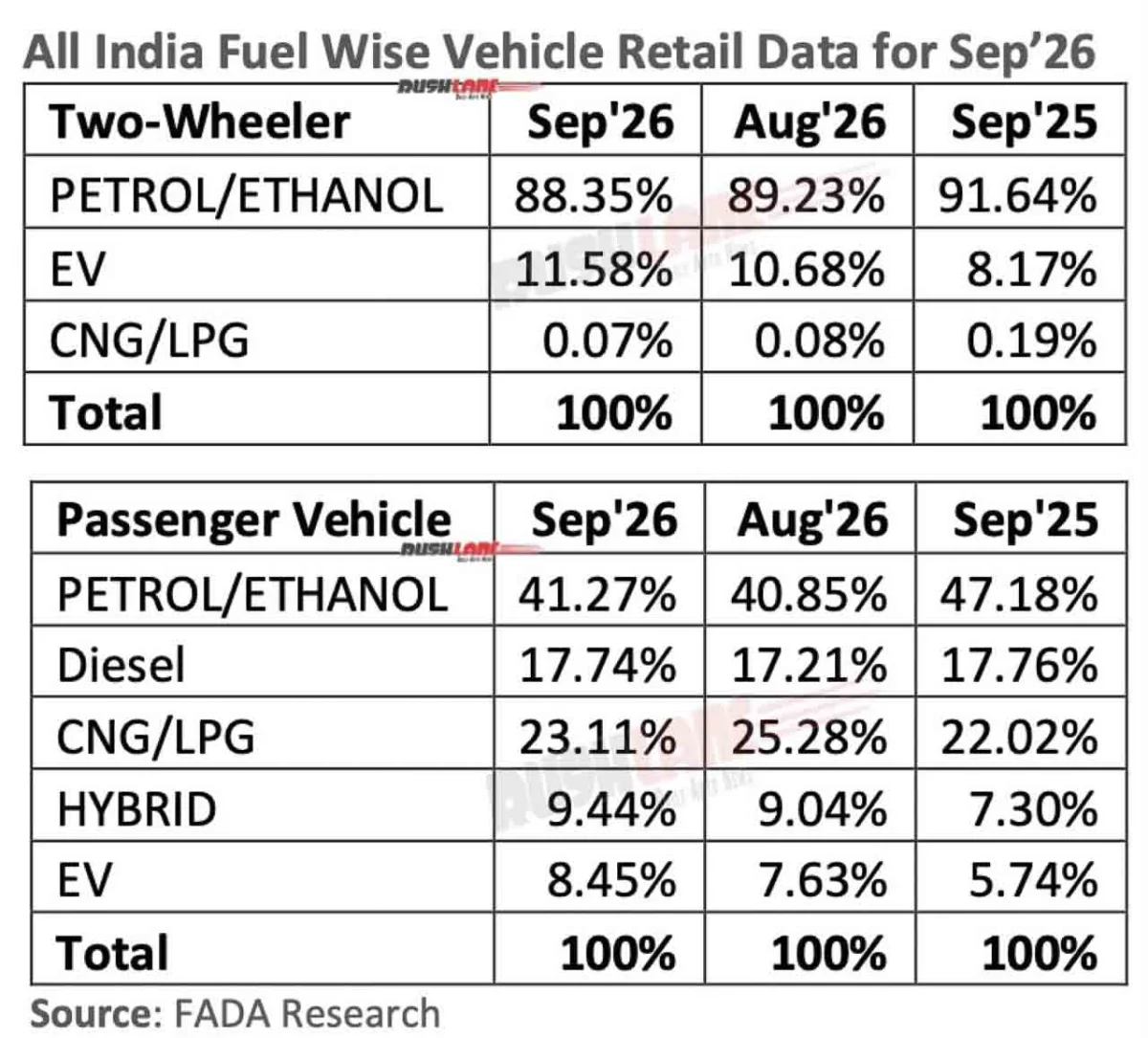
The share of electric two-wheelers in the overall market climbed to 11.6%, up from 10.7% in the previous month, and significantly higher than the 8.2% recorded in September 2025. This ongoing growth trend is largely attributed to consumers increasingly recognizing the advantages of electric vehicles over traditional petrol models, particularly in terms of reduced running costs and environmental impact. As oil prices fluctuate and urban pollution levels rise, consumers appear to be aligning their purchasing decisions with economic and ecological considerations.
This shift isn’t just a casual preference but a deliberate response to a more extensive awareness of climate change and its effects. As cities implement stricter emissions regulations, the transition to electric two-wheelers becomes necessary for many consumers. Moreover, manufacturers have been stepping up their marketing efforts to highlight the long-term savings that come with owning an electric vehicle, thereby catalyzing this consumer shift.
Leading Brands: TVS and Bajaj
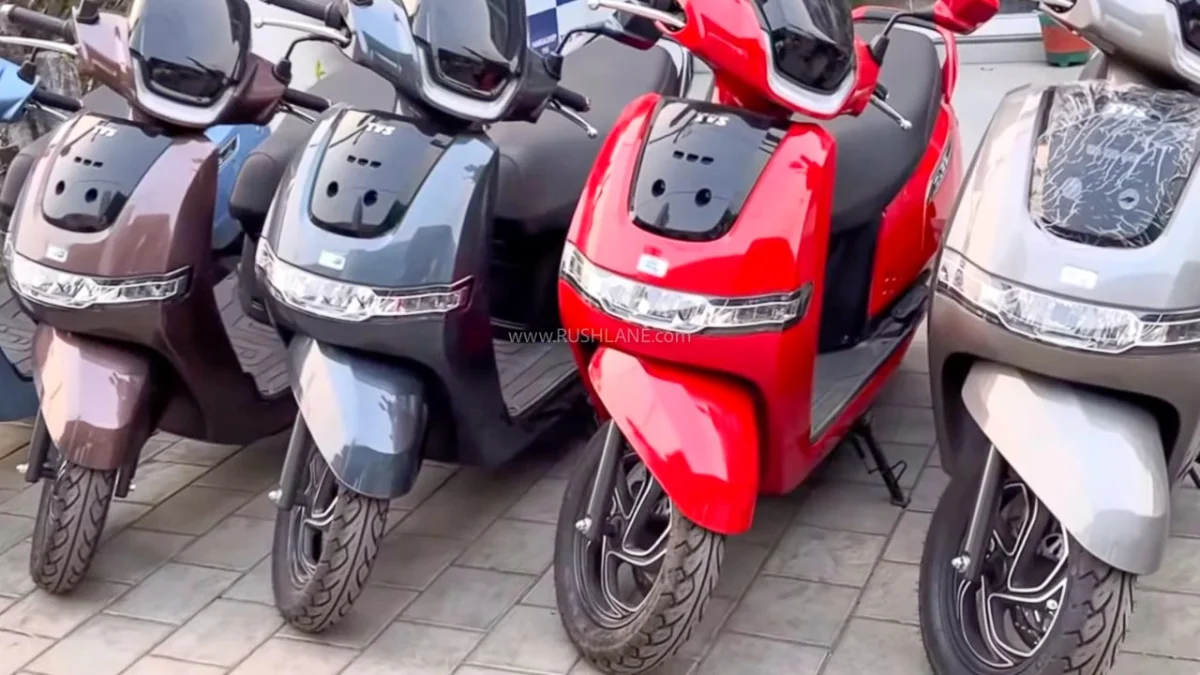
TVS Motor Company solidified its position as the market leader in this segment, selling 54,037 units in September. This performance reflects a substantial increase of 125.87% compared to the 23,924 units sold in September 2025. Month-over-month, TVS increased its sales by 10.42% from the 48,938 units sold in August 2026. The demand for models like the iQube and Orbiter not only highlights innovative design but also TVS's commitment to meeting consumer needs effectively, which has played a pivotal role in bolstering the brand's success.
Following closely, Bajaj Auto sold 48,429 units of its Chetak electric scooter. This figure denotes a remarkable year-over-year growth of 138.87%, up from 20,274 units in September 2025, alongside a month-over-month increase of 17.79% from 41,114 units in August. The interests in TVS and Bajaj demonstrate that consumer loyalty can significantly influence market dynamics. Together, TVS and Bajaj accounted for nearly 50% of the total electric two-wheeler sales for the month. This level of dominance raises questions about market saturation and the potential for newer players to capture market share as competition heats up.
Other Key Players: Ather and Hero
Ather Energy continued to strengthen its standing in the electric two-wheeler domain, recording sales of 30,533 units—an increase of 55.62% from the 19,620 units sold the previous September. This growth underscores Ather’s strategic focus on tech-savvy products that attract a younger demographic. A month-on-month comparison shows sales rose 6.18% from 28,757 in August. This performance is indicative of a well-executed brand strategy that capitalizes on features and customer engagement.
Hero MotoCorp also experienced notable growth, selling 24,321 units, reflecting an 83.34% increase year-over-year and an impressive 97.96% month-over-month increase. The strong performance of these brands collectively indicates significant market consolidation among the top manufacturers. When examining the sales figures of these companies, one can observe a pattern of sustained investment in design and technology, which is critical for capturing the consumer interest that is increasingly leaning towards electric mobility.
Competition and Emerging Brands
Ola Electric recorded 13,451 units sold in September, although this figure reflects a decline of 2.96% year-over-year and 2.89% month-over-month. This showcases a challenging landscape for the brand amidst rising competition. If you're working in this space, these fluctuations highlight the difficulty new entrants face when competing against established leaders like TVS and Bajaj, who are now trusted names in the electric segment.
Greaves Mobility performed well with 9,316 units sold, showing a year-over-year growth of 114.06% over the 4,352 units sold during the same month in 2025. The month-over-month numbers also reflect an uptick of 8.16% from 8,613 units in August, indicating that brand loyalty and growing recognition in the market are starting to pay off.
Emerging brands are also shaking up the market. River Mobility reported strong growth with 5,556 units sold in September, a substantial increase of 193.19% from the previous year. Month-over-month, sales rose 8.07%. BGauss almost doubled its sales to 5,023 units, experiencing a 99.01% increase compared to 2,524 units in September 2025, coupled with a slight monthly growth of 3.67% from 4,845 units in August.
Another interesting player, Bounce Electric, reported a remarkable 242.91% year-over-year increase with sales reaching 3,069 units, as well as a month-on-month surge of 192.56%. E-Sprinto Green also recorded a stellar performance, selling 1,997 units, showcasing a 108.67% year-over-year increase with an astronomical month-on-month increase of 1,564.17% from just 120 units in August. (and this is the part most people overlook) These figures suggest that while the market is competitive, there is room for new players if they can effectively carve out their niche.
Industry Trends
A collective evaluation of the electric two-wheeler market reveals that other manufacturers contributed 11,582 units to total sales in September, which was a 39.44% increase year-over-year but a slight month-over-month decline of 1.58%. The variability in sales numbers underscores the changing market dynamics as companies adjust their strategies to meet evolving consumer demands.
As consumer interest in electric mobility continues to grow, manufacturers are expected to respond with broader product offerings and enhancements that maximize performance and affordability. Robust feature sets, competitive pricing, and effective marketing will become key differentiators for brands aiming to capture market share. The insights gained from September's figures indicate not just a trend in consumer preferences but also foreshadow potential shifts in the competitive dynamics within the electric two-wheeler sector.
The continued success of TVS and Bajaj sets a critical benchmark for upcoming players and established brands alike, emphasizing the importance of innovation and responsiveness to consumer needs in this marketplace. If you're observing these trends, expect that strategic pivots will become common as companies prepare for the next phase of growth in this evolving industry.

Future Outlook: What Lies Ahead?
The future of the electric two-wheeler market seems bright, yet unpredictable. With increasing concerns about climate change and urban congestion, the demand for eco-friendly transportation options will likely continue to rise. Consequently, the market might see a surge of new entrants eager to claim their stake.
However, the current leaders—TVS, Bajaj, Ather, and Hero—hold significant advantages, from brand loyalty to deeper supply chains. Their challenge will be to maintain momentum while facing new competitors aiming to disrupt the market.
To remain relevant, established brands must innovate continually and keep pace with consumer expectations. Technology enhancements, battery efficiency improvements, and expanded service networks will play vital roles in consumer adoption. The landscape may change quickly, but one fact remains clear: electric two-wheelers are no longer a niche market; they are rapidly becoming a mainstream choice for urban commuters.


