Li-S Energy's lithium-sulfur battery enabled the Pegasus drone to achieve nearly two hours of flight time, showcasing improved range and potential applications.
Introduction to the Flight Test
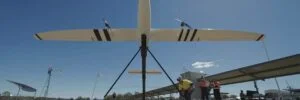
Li-S Energy has successfully powered the Pegasus long-endurance drone with a lithium-sulfur battery during a test flight that lasted nearly two hours. This groundbreaking achievement took place in Queensland, where the drone covered over 75 kilometers, landing with battery capacity remaining. This demonstrates the capability of lithium-sulfur technology in practical applications.
Design and Development of Pegasus
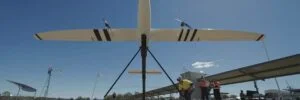
The Pegasus drone is a product of collaboration among three Australian companies: V-TOL Aerospace, Li-S Energy, and Halocell Energy. V-TOL Aerospace designed and constructed the drone's airframe and power systems, showcasing innovative engineering aimed at enhancing aerial endurance and efficiency. Li-S Energy contributed the cutting-edge 382 Wh lithium-sulfur battery packs along with a sophisticated battery management system. Complementing this setup is Halocell Energy's unique perovskite solar array that is integrated into the wings, designed to harness solar energy during flight.
Battery Management and Performance
The integrated battery management system developed by Li-S Energy works closely with V-TOL’s power management architecture. This synergy allows for optimal control of battery power distribution to the drone's twin motors and command systems, which is crucial for maintaining efficiency during operation. Moreover, the system is versatile enough to interface with the solar array, making it a multi-faceted energy solution for extended flight operations.
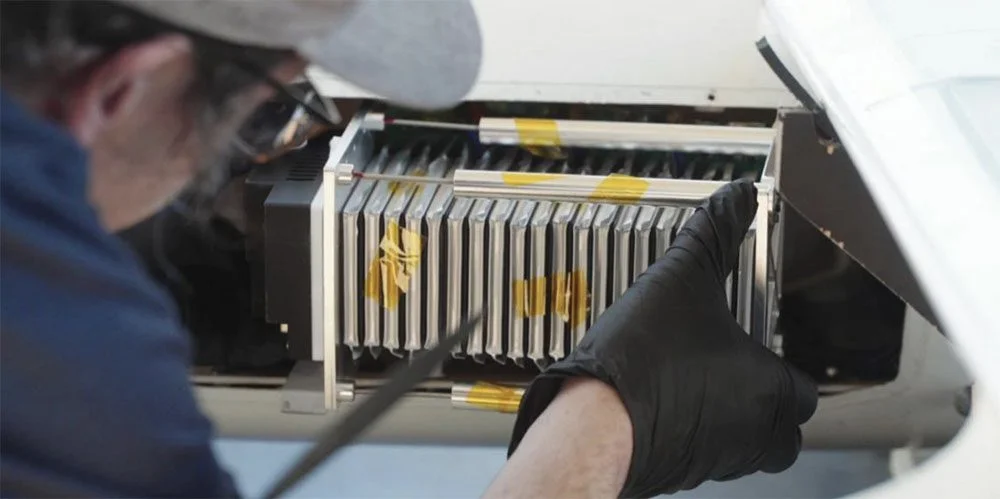
Comparing performance metrics, Li-S Energy benchmarked its lithium-sulfur battery against a Tattu 6S lithium polymer pack, which is rated at 16,000 mAh, or approximately 355 Wh and weighs about 1.85 kg. Notably, on an equal weight basis, Li-S Energy's cells are said to provide 80% greater range and flight time, boasting around 192 Wh/kg efficiency. This is a significant achievement in energy density, as it opens up possibilities for longer missions without the need to increase payload weight significantly.
Future Prospects for Pegasus
In a design that incorporates two Li-S Energy battery packs along with improved solar arrays, the Pegasus drone could potentially execute missions lasting between five to eight hours, covering distances of up to 250 kilometers. These capabilities are particularly appealing for applications in mapping, surveillance, and monitoring environmental and agricultural activities—fields that often require extensive aerial data collection.
Funding and Future Steps
The development of the Pegasus drone was bolstered by a substantial grant of A$1.35 million from the Australian government, provided through the Emerging Aviation Technology Partnership (EATP) program. This funding was matched by contributions from the involved partners, affirming strong support for advancing aviation technology within Australia. The successful flight marks the culmination of the EATP project’s development and flight testing phases.
The consortium will now shift its focus onto analyzing the gathered flight data to delineate the performance metrics of Pegasus and explore its commercial viability for future sales. This could potentially set the stage for entering new markets, offering operators in various sectors more capable drones.
Expert Insights on Performance
Mark Xavier, Managing Director and CEO of V-TOL Aerospace, expressed satisfaction with the flight’s outcomes. He stated, "The Pegasus flew exactly as our team designed it to. Our airframe and power systems performed faultlessly throughout the flight, and pairing them with Li-S Energy’s new lightweight pouch cell battery system gives the platform an endurance advantage operators will immediately recognize." This acknowledgment underscores the collaborative success behind the Pegasus project and the promising future it holds in the drone technology industry.
Conclusion
The Pegasus drone, powered by Li-S Energy's advanced lithium-sulfur battery technology, exemplifies the ongoing evolution in UAV capabilities. With substantial improvements over traditional battery systems in terms of weight and energy density, coupled with practical applications in various fields, this project could herald a significant shift in how drones are utilized in professional settings. As the partners analyze flight performance and seek to commercialize their innovation, the implications for the drone industry are substantial.


