Learn how to determine if a car's low mileage claim is genuine by examining critical wear points and other physical indicators.
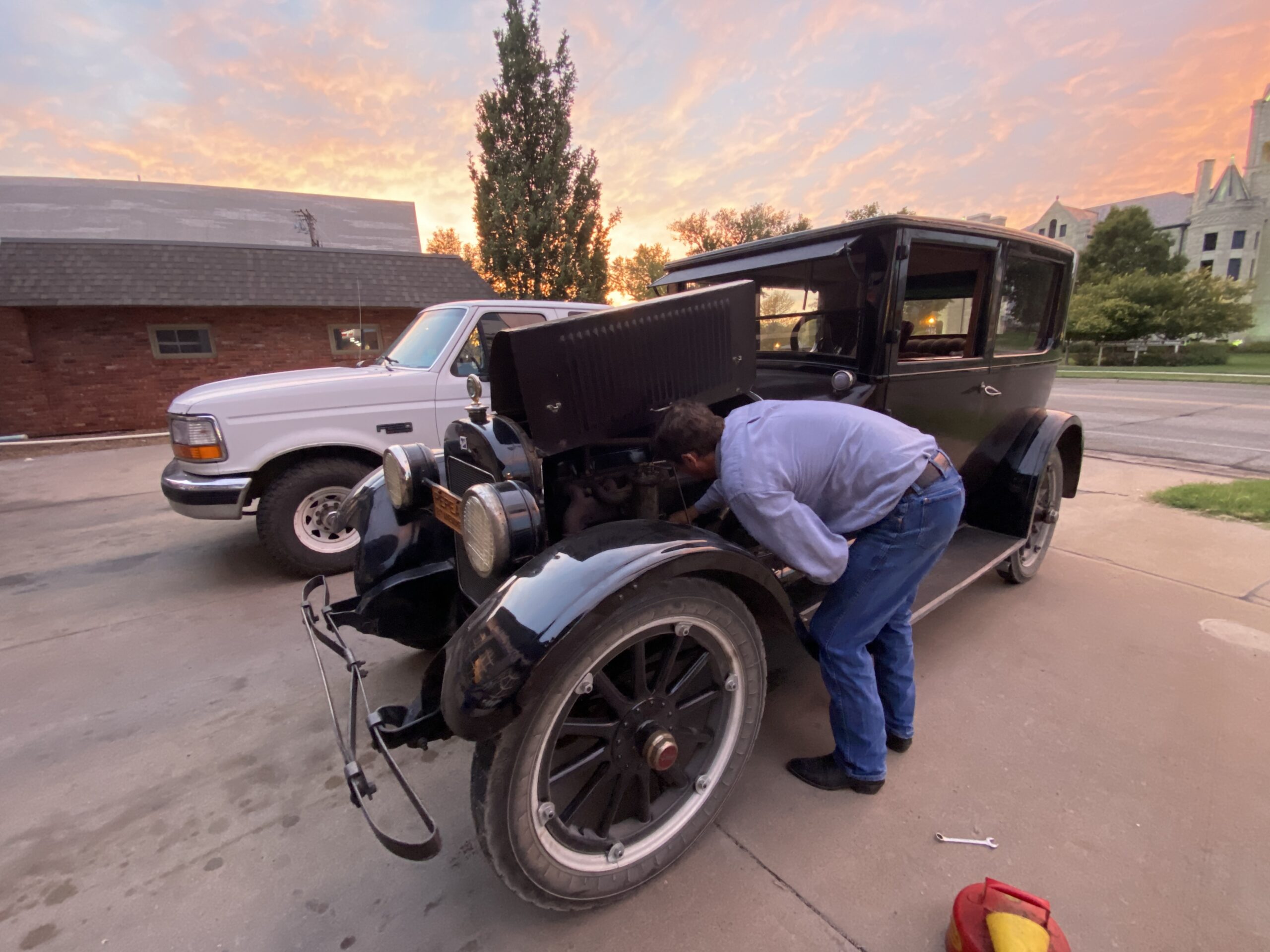
Whether you're intrigued by a rare classic or just want to ensure you're investing in a quality vehicle, understanding how to evaluate a car's mileage can save you from making a costly mistake. The desire to find low-mileage gems often attracts dishonest sellers, looking to profit from misleading odometer readings. While odometers can be manipulated, the physical state of various components usually reveals the true story of a vehicle's usage. Here are eight areas to check when assessing whether a car is genuinely low mileage.
1. Steering Wheel Wear
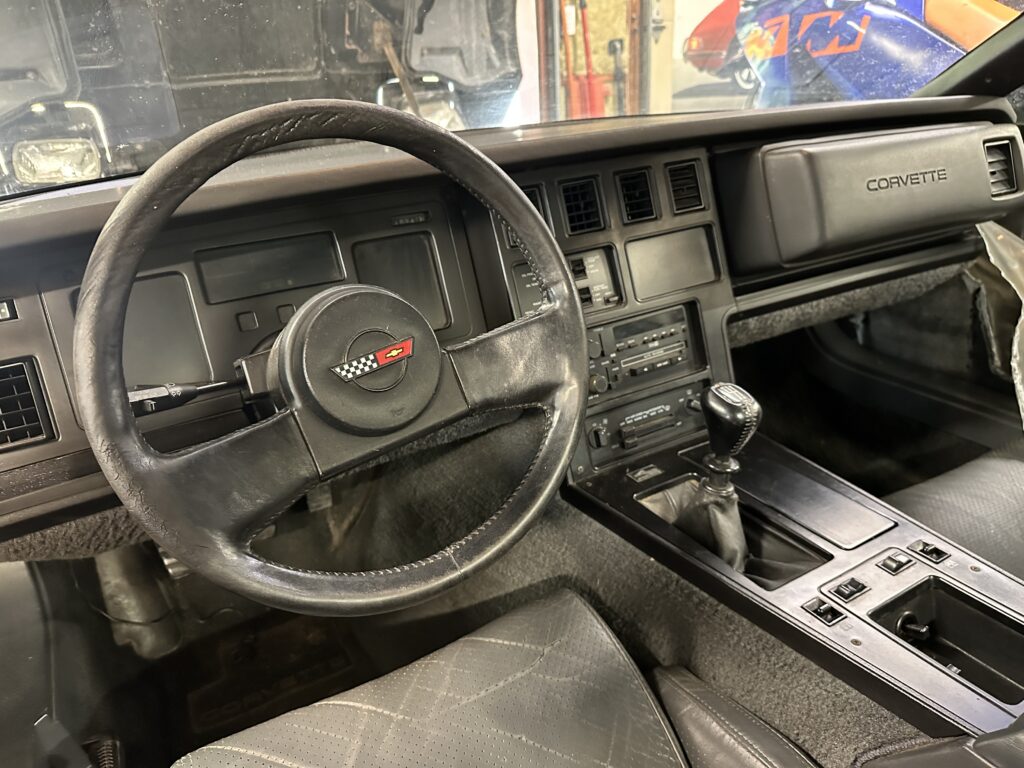
The steering wheel is one of the most frequently touched parts of any car, making it a telling indicator of mileage. Look for signs of wear such as dullness, scratches, or flaking paint, particularly where the driver typically grips the wheel. It's also worth examining the stalks and indicators, which may show wear but do so at a slower rate than the steering wheel itself.
2. Carpet Condition
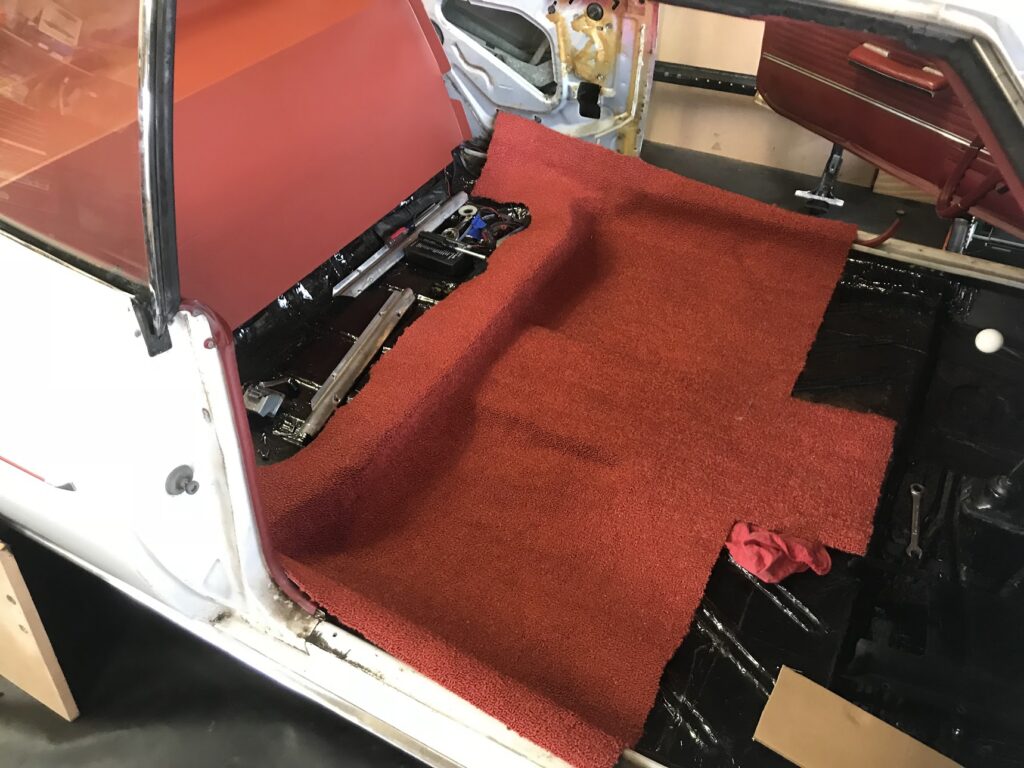
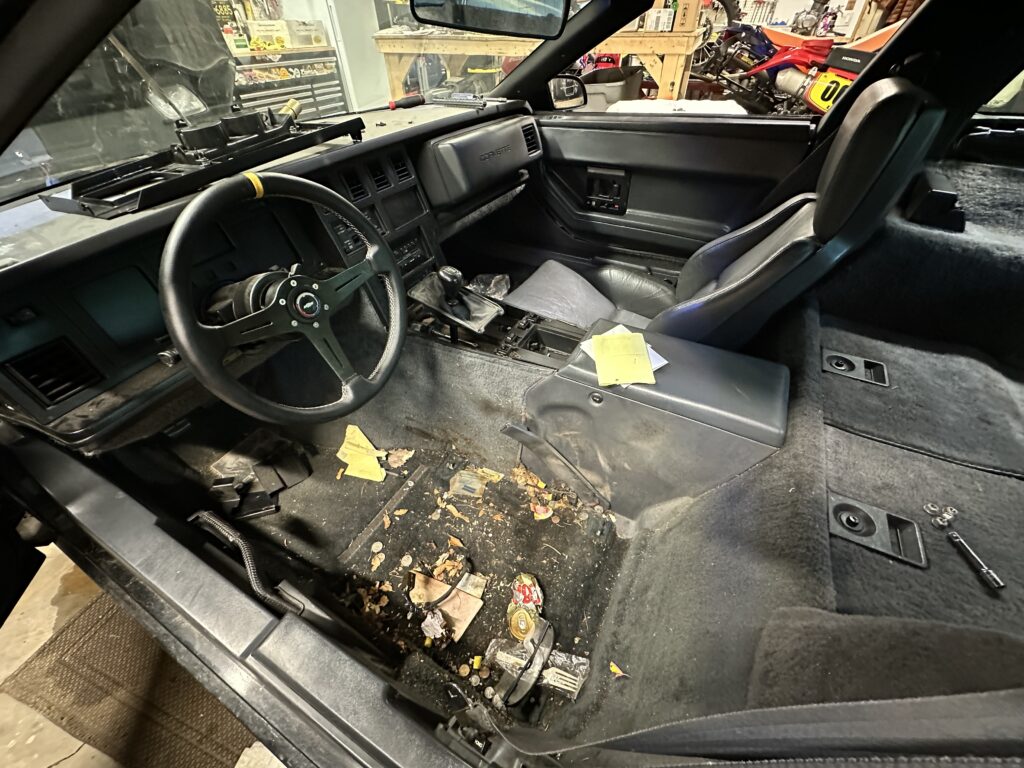
The condition of a car's carpet can provide a wealth of information. Look for telltale signs such as pressed-in areas from foot traffic or the presence of old items, like receipts. A worn-out carpet may indicate frequent use and thus reflect a higher mileage than claimed.
3. Seat Bolsters
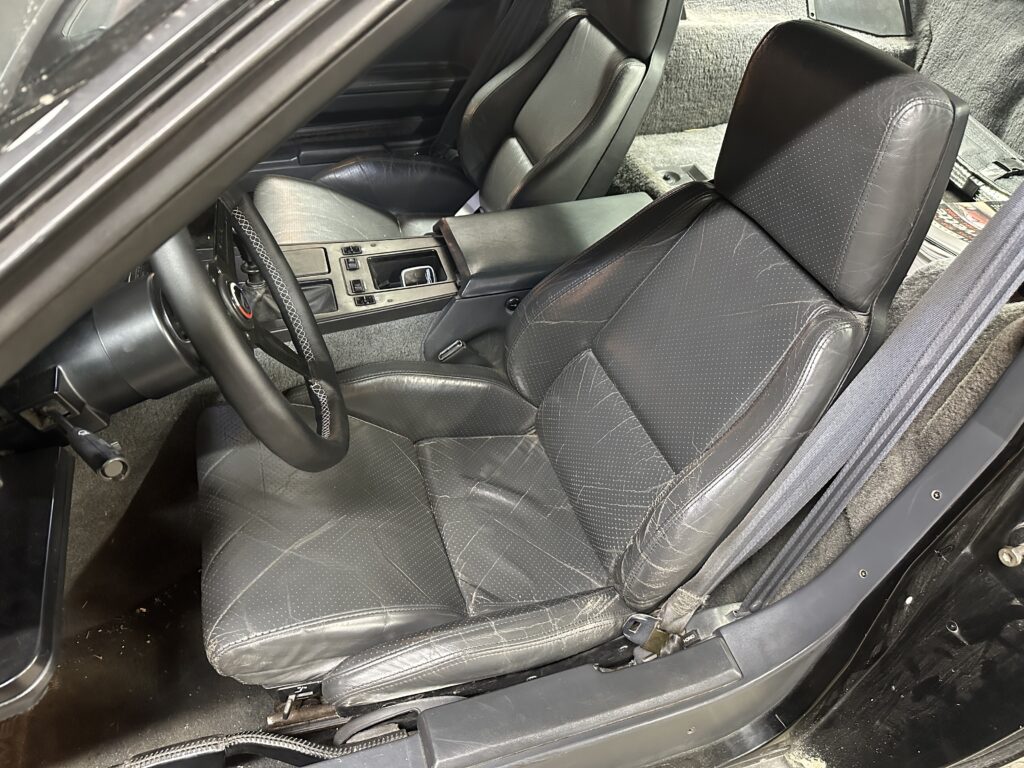
Sporty seats often exhibit noticeable wear from ingress and egress. Focus on the bolsters—these areas tend to show the most wear due to their exposure. Even less aggressive seats will show some signs of aging if the vehicle has been used extensively.
4. Engine Hardware Condition
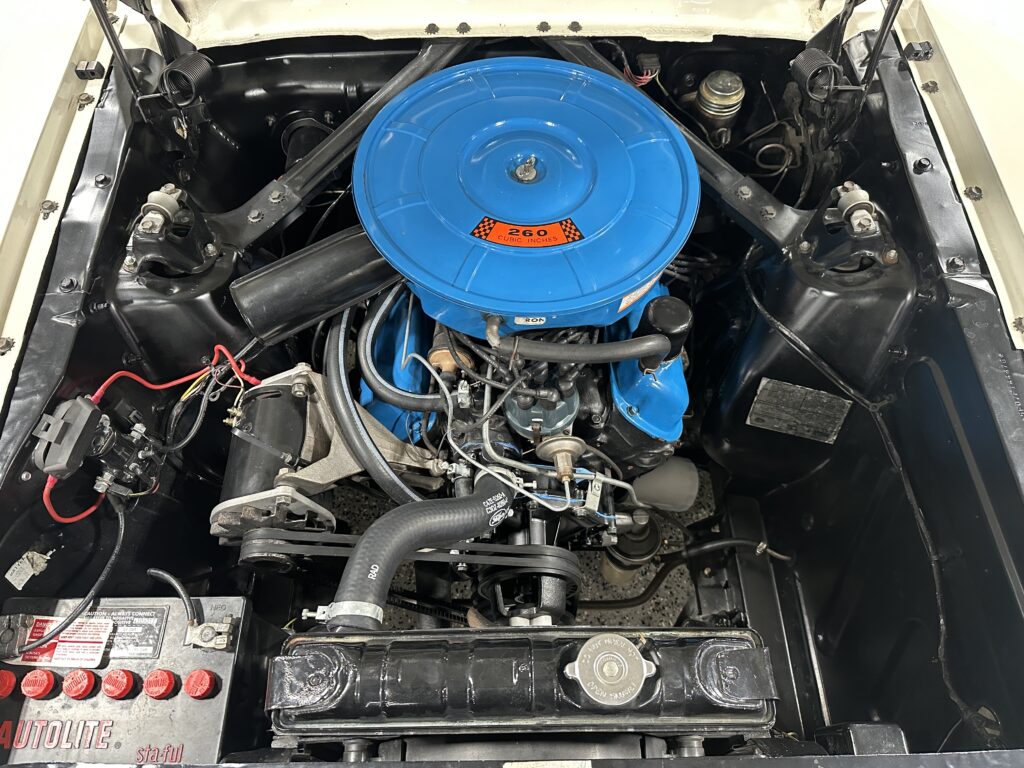
Vehicles that have seen little driving often show a lack of wear on engine components. Check for hardware that appears untouched and undamaged; a pristine engine bay with well-preserved clips and fittings suggests low usage. Wear on commonly accessed items like alternators can hint at more maintenance than appropriate for a low-mileage vehicle.
5. Decals and Paint Markings

Check the condition of any production decals or paint markings. Modern vehicles may bear barcodes or QR codes, while older models often feature chalk marks or paint details used during assembly. Any wear or damage may suggest the car has received repairs or been resprayed, raising questions about its history.
6. Plastic Parts Integrity
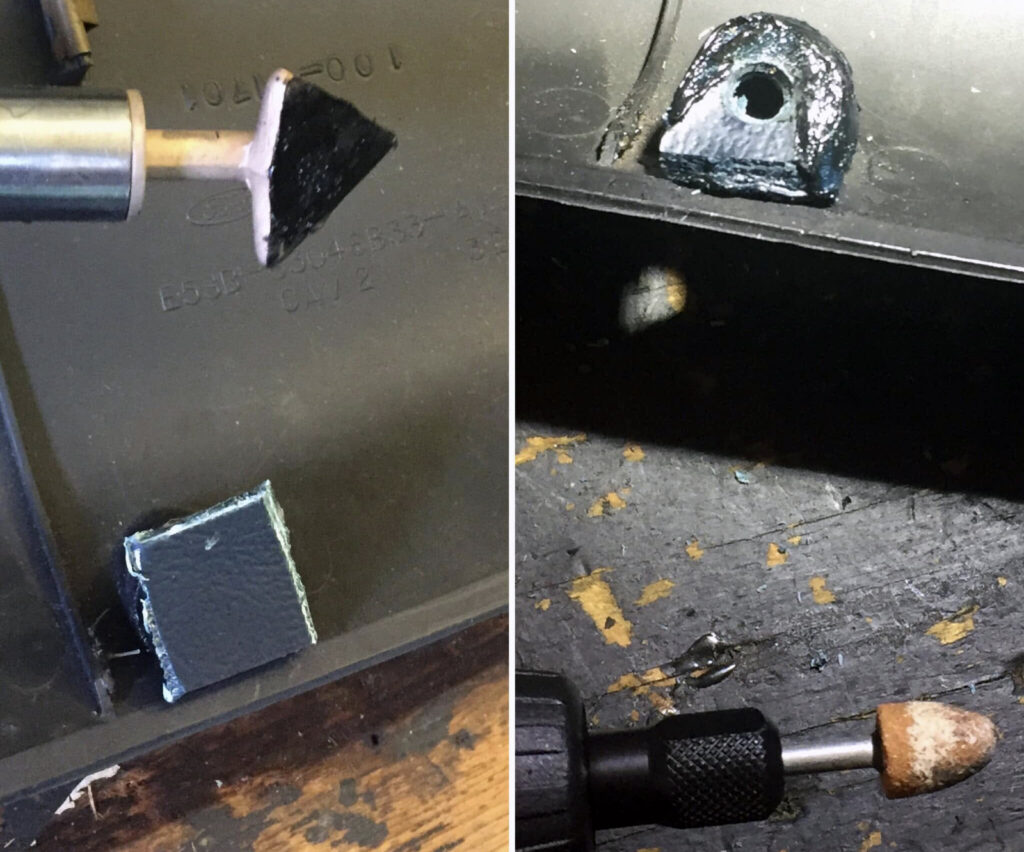
Plastic components can age differently based on usage. Check for cracks or discoloration in plastic parts, particularly in areas that would typically be disturbed during service. A low-mileage vehicle should show minimal wear on these components, suggesting it has not been exposed to the stressors of extensive driving.
7. Original Tires
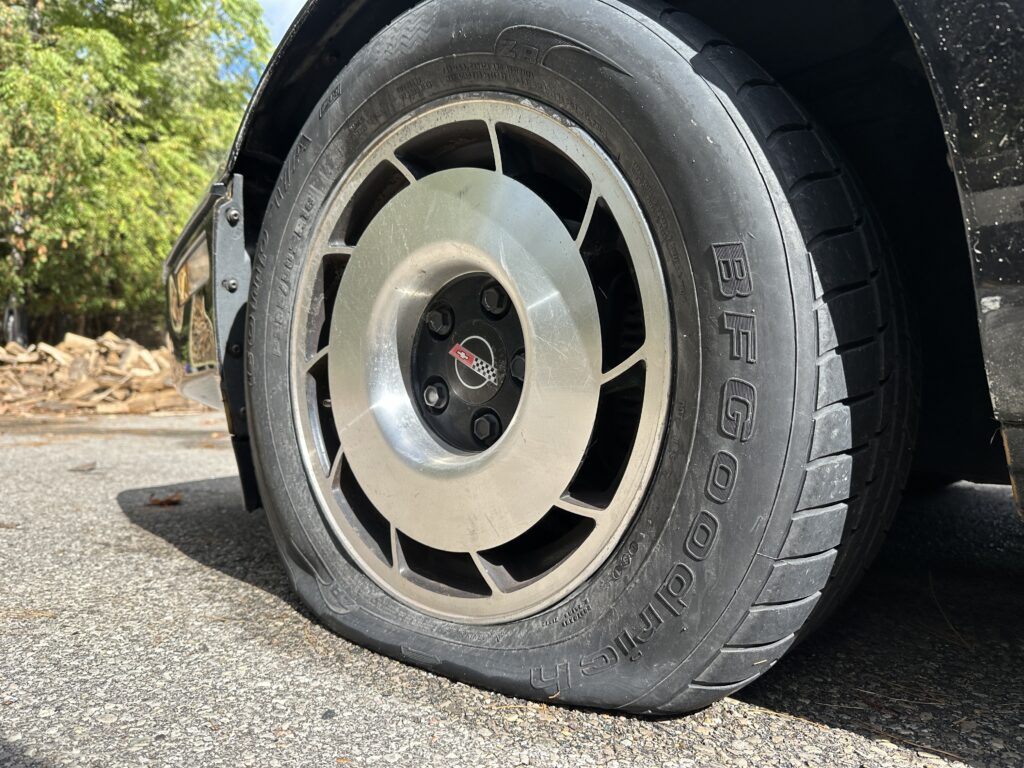

Low-mileage cars often retain their original tires, which can reveal significant information about usage. Even if original tires are still on the vehicle, their age and condition can suggest how much the car has been driven. For instance, finding vintage Goodyear Gatorbacks in good condition can signify a seller's effort to preserve its original look rather than replace them with newer models.
8. Service History Reports
Using platforms like Carfax can help supplement your findings. While these reports aren't flawless, they can confirm mileage claims or point out any inconsistencies with service history and geographic relocations of the vehicle. A sparse record could also corroborate a vehicle's low mileage as indicated by the physical inspection.
In conclusion, while no single criterion guarantees the accuracy of a car’s mileage reading, combining these indicators offers a clearer picture. Be vigilant, as these signs can be manipulated; however, focusing on a comprehensive inspection can illuminate the true story of the car’s history. If you have additional tips or personal experiences related to identifying low mileage vehicles, share your thoughts in the comments below.
The post 8 Tells to Know If a Car Is Actually Low Mileage appeared first on Hagerty Media.


