The restoration of the Mazda 787 offers insights into its unique rotary engine design and the challenges of maintaining a piece of racing history.
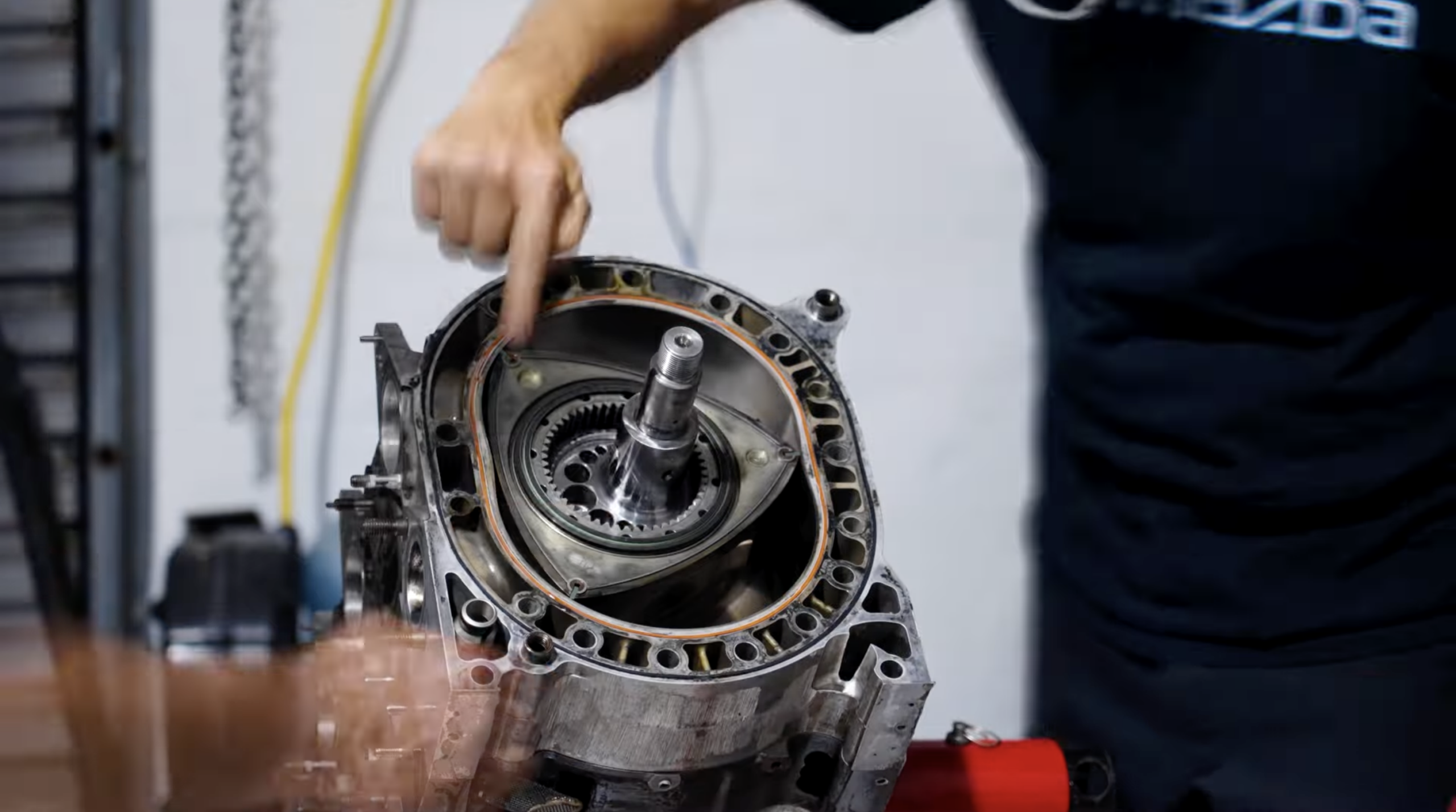
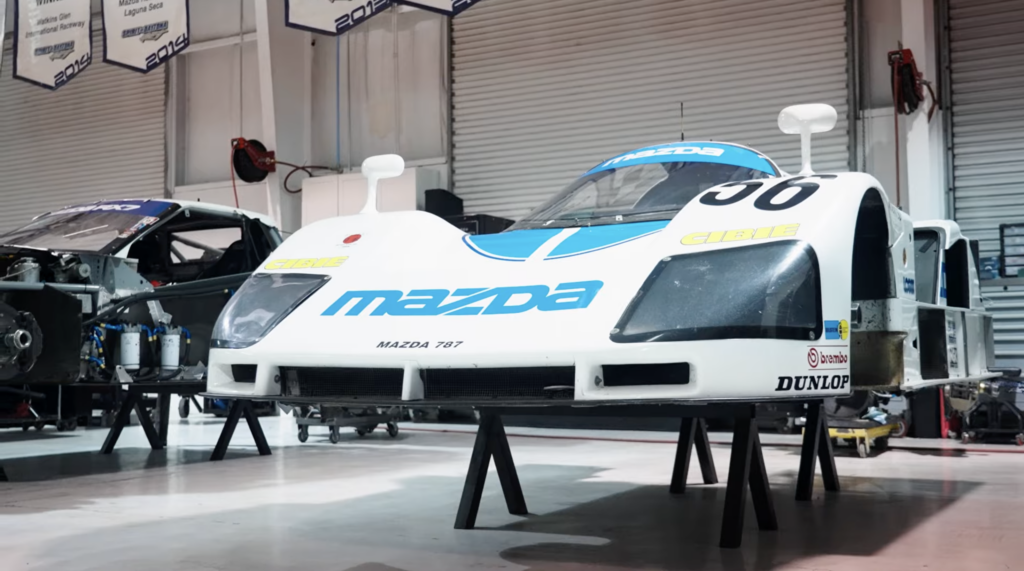
Restoring a car often presents a complex set of challenges, especially when the vehicle in question is a rare race car like the Mazda 787. Known for its significant victory at the 1991 24 Hours of Le Mans, the 787 features a highly specialized build, comprised of one-off components that make its restoration anything but straightforward.
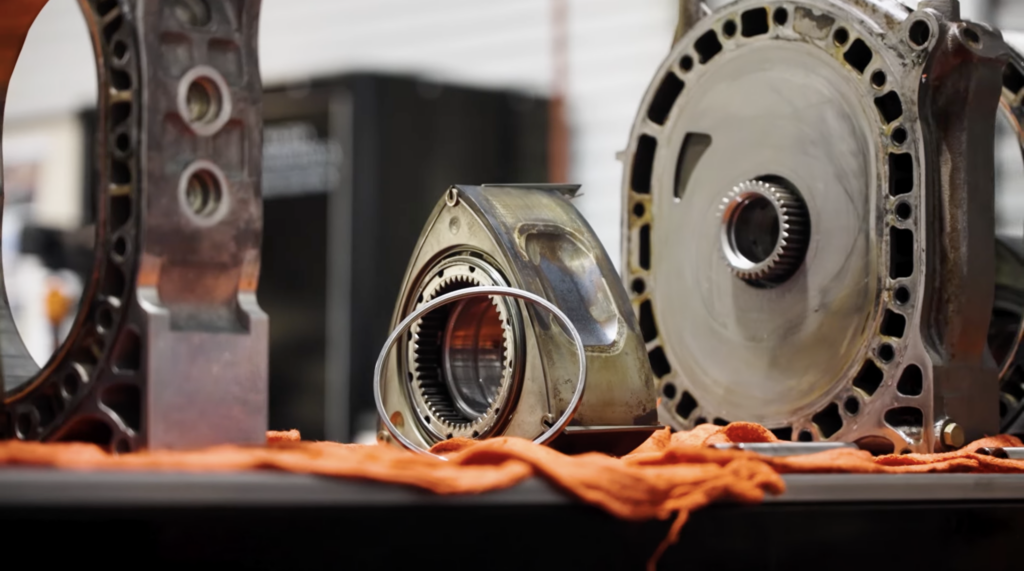
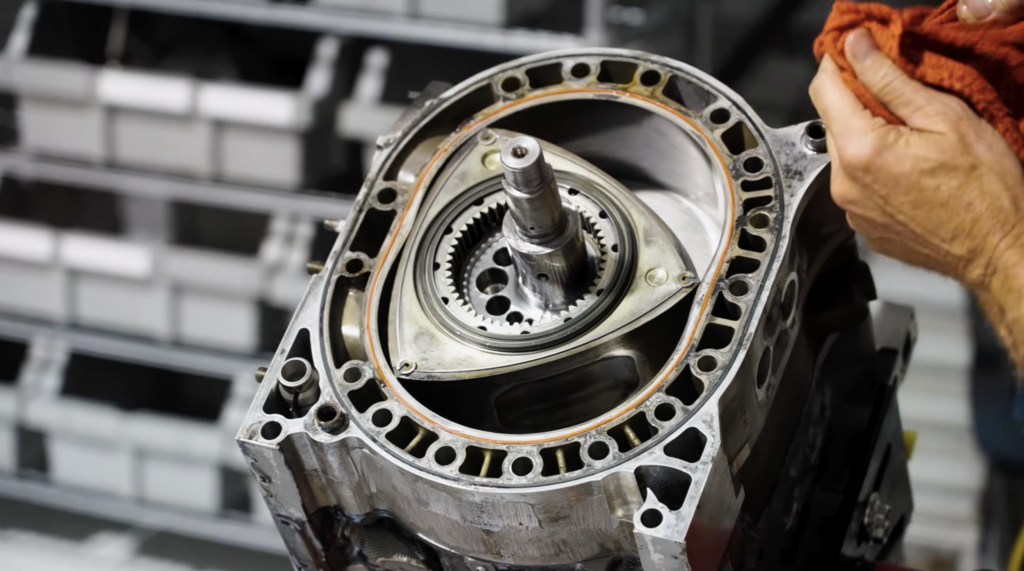
Recent efforts by Mazda Motorsports to refresh one of its iconic 787 race cars unveiled fascinating elements of its construction, particularly focusing on the four-rotor rotary engine that set it apart from typical piston engines. This particular type of engine design might seem unusual to many, as it's based on triangular rotors, rotating within a housing, rather than conventional pistons. The design allows for a complete intake, compression, combustion, and exhaust cycle in a single rotation, delivering a distinctive sound and impressive power density that makes the rotary engine a favorite among enthusiasts.
Unique Rotary Engine Features
The appeal of the rotary engine used in the Mazda 787 lies not just in its design but also in the nuances that it brings to performance. While most Mazda rotary engines utilize two spark plugs per rotor housing to ignite the air-fuel mixture, the engineering team behind the Le Mans motor opted for three spark plugs per rotor. This modification improves combustion efficiency and is especially crucial during endurance races, where fuel economy can dictate overall performance.
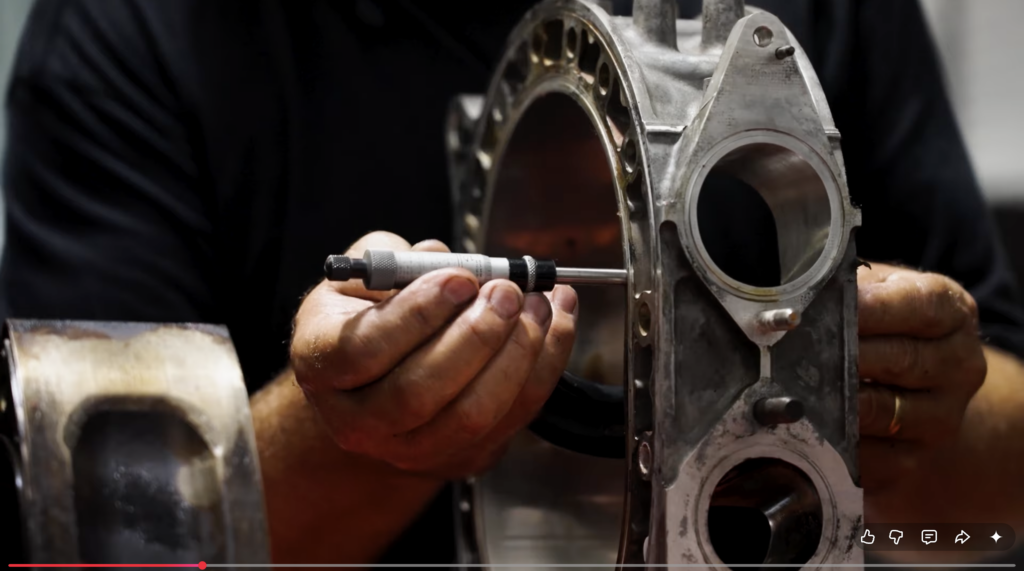
Another remarkable aspect of the 787’s engine is its apex seals, which have garnered attention for their role in the rotary design’s reliability. The traditional complaint regarding rotary engines is often linked to the wear and tear of apex seals, leading to loss of compression over time. However, in this Le Mans-spec engine, the seals are constructed from ceramic, an innovation that boasts lighter weight and greater durability. Coupled with stronger springs that maintain pressure against the housing, these improvements enhance the engine's ability to withstand prolonged heat cycles and general wear.
The Restoration Process
The teardown and refresh of a Mazda 787 highlight the labor-intensive nature of working on a one-off prototype. Unlike more common cars where parts might be widely available, sourcing components for the 787 involves significant challenges. Each part was engineered with precision for a specific purpose in a highly competitive racing environment, and finding or manufacturing replacements can be daunting. This restoration is a testament to Mazda's commitment to maintaining its racing heritage.
Moreover, the assembly of this engine is straightforward yet profoundly effective. The simplicity of the rotary engine’s layout contrasts sharply with the complexity of modern turbocharged engines, allowing for easier upkeep and potentially greater longevity in racing environments.
Implications for Future Rotary Engines
The insight gained from the restoration of the Mazda 787 serves as a valuable lesson for both aficionados and engineers interested in rotary technology. The adaptability of the rotary engine design, particularly in racing contexts, continues to inspire performance improvements and maintenance strategies. As several rotary-powered vehicles remain operational, advancements in materials and engineering techniques contribute to their ongoing legacy.
The restoration reveals not just the mechanical intricacies of the 787 but also underscores the passion behind preserving racing history. As rotary engines experience a renaissance of interest, the restoration of the 787 could spark renewed efforts to innovate within a design that has distinct challenges and advantages.
As passionate enthusiasts and collectors continue to keep the spirit of Mazda’s racing triumphs alive, the work done on the Mazda 787 exemplifies the dedication to performance and preservation found within the automotive community.
For those interested in the nuances of racing history and engineering innovation, the refresh of the Mazda 787 is not just about reviving a car but about embodying the spirit of motorsport itself.


