A new documentary showcases the intricate restoration of a Ferrari F50, highlighting traditional skills essential for maintaining classic cars in Italy.
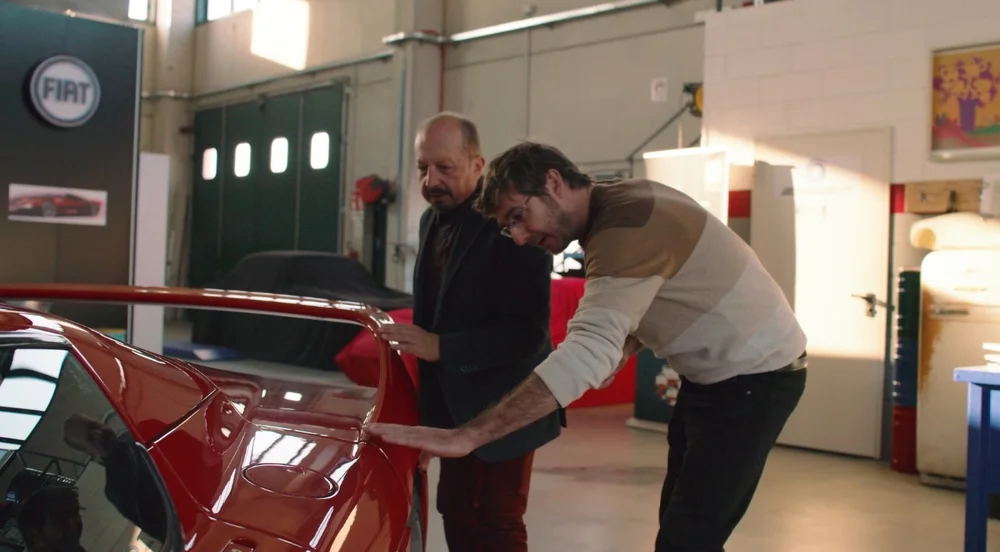
The art of restoring classic cars, particularly iconic models like the Ferrari F50, is a meticulous endeavor that combines craftsmanship with deep respect for the vehicle's original design. A new Italian documentary titled L'anima delle macchine – Il restauro come arte del tempo captures this process, focusing on the challenges and skills required to breathe new life into this supercar. Premiering at the Museo Nazionale dell'Automobile (MAUTO) in Turin on September 25, the 52-minute film, produced by Filmine and directed by Valerio Valente, offers a close look at the restoration journey of the F50.
This documentary centers on the restoration efforts conducted at Schimmenti Classic, a workshop in Santena, near Turin, overseen by Massimo Schimmenti. Audiences witness the entire journey of the F50—from disassembly and assessment to restoration—all while showcasing the unique materials and techniques that Ferrari utilized during the car's original production.
The F50 poses a unique challenge for restorers. Unlike many vehicles, achieving a perfect finish can detract from the authenticity of the restoration. For instance, the red paint applied over the F50's carbonfibre bodywork was never intended to obscure the carbon weave beneath. In careful lighting, the carbon's texture should remain visible, and achieving this necessitates precise control over the paint's composition, including the preparation of the carbon layer and the application of pigments.
Experts involved in this restoration include renowned colour specialists such as Mauro Mazzola from paint manufacturer Lechler and Pierangelo Ghilardi of Saico Zero. They are tasked with ensuring that the new paint matches the original substrate in both colour and transparency, taking into consideration how the surface changes in various lighting conditions. Achieving a perfectly uniform finish would be a significant misstep, removing an essential aspect of the car's character.
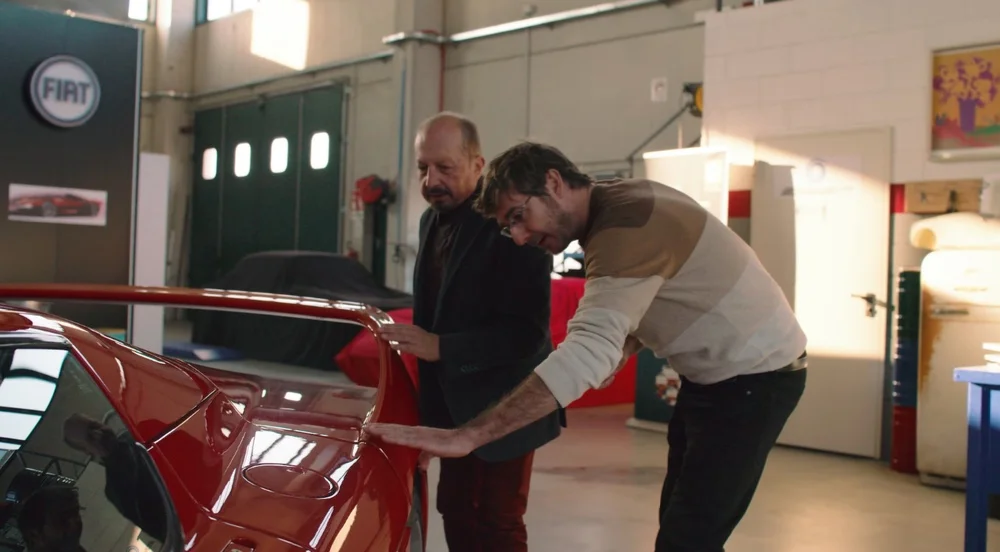
The intricacies of the restoration extend beyond just the exterior. The F50 was the first road car developed by Ferrari using Computer-Aided Design (CAD), yet even with such advanced technology, the production process introduced slight asymmetries that restorers must honor. This means carefully assessing which irregularities are integral to the car's original construction, guiding decisions about whether to correct these 'flaws.'
The interior also receives significant attention. Rather than opting for a full replacement, the conservation work involves preserving the original red and black Alcantara material. Expert trimmer Pierfranco Gavina meticulously examines the wear and overall condition of the upholstery, opting to retain sections of existing material wherever possible. This approach underscores the philosophy that restoration should celebrate history rather than erase it.
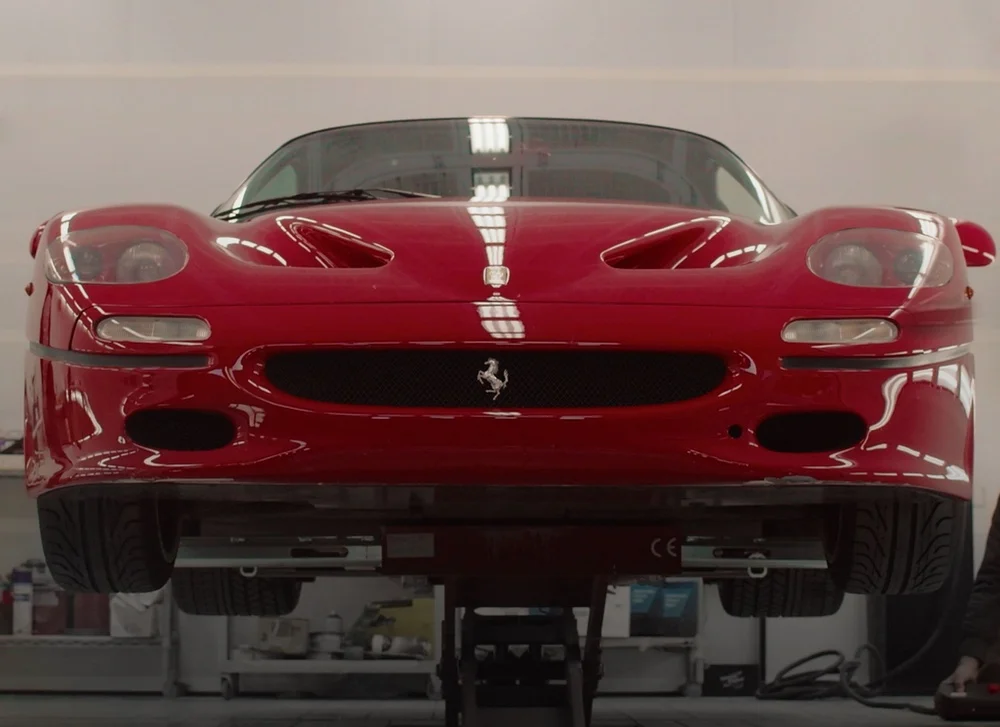
Moving beyond the F50, the documentary highlights Italian restoration methods through the stories of seasoned craftsmen. One notable figure is Gian Carlo Maina, an 83-year-old panel beater with nearly seven decades of experience. Maina exemplifies traditional metalworking techniques, shaping steel and aluminum by hand. The film showcases how he evaluates the shape of a panel, relying on the sound produced by the metal along with visual inspection—a testament to the tactile nature of skilled craftsmanship.
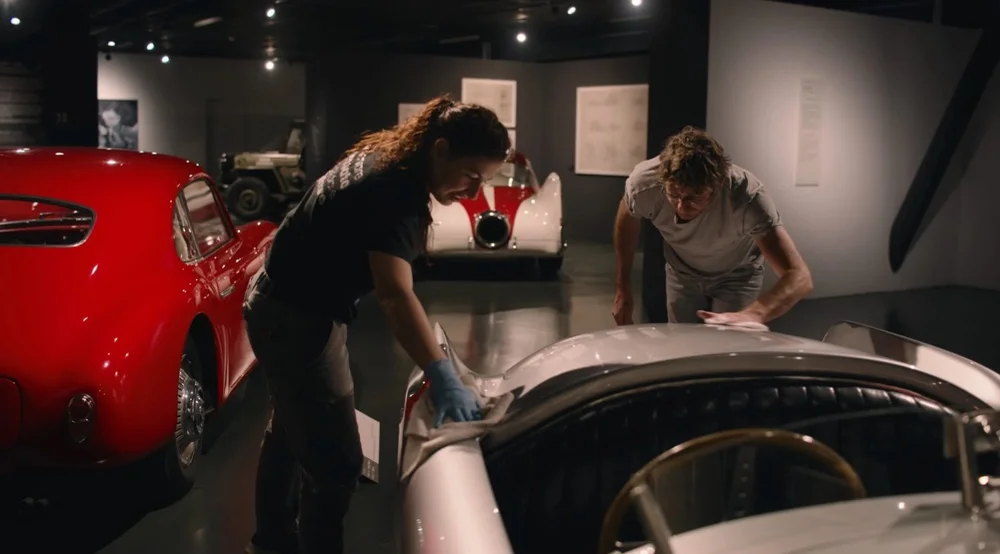
Also featured are professionals from MAUTO’s own Conservation and Restoration Centre, including manager Davide Lorenzone and restorer Chiara Armigliato. They discuss the institution's guiding principle: preserving original materials and patina rather than simply returning vehicles to a factory-fresh state. The documentary spotlights students from a specialist training program in historic-vehicle restoration, led by Sandro Di Vinci, providing insight into the challenges faced in restoring hand-finished panels and traditional upholstery methods.
Notably, Pietro Camardella, who contributed to the original design of the F50, offers his perspective on the car's evolution during the early 1990s. His insights add depth to the film, linking past innovations with present restoration techniques.
Following the premiere at MAUTO, the documentary is being considered for wider distribution through streaming platforms and other broadcasters. However, details about its public release remain unconfirmed.
For those interested in the world of classic car restoration, especially how it applies to revered models like the Ferrari F50, this documentary offers both an educational and visually stunning experience. To learn more about MAUTO and the film, visit their respective websites linked here: MAUTO and L’anima delle macchine.


