Jefferson County Public Schools introduces six electric school buses and bidirectional chargers, enhancing clean transportation and energy efficiency.
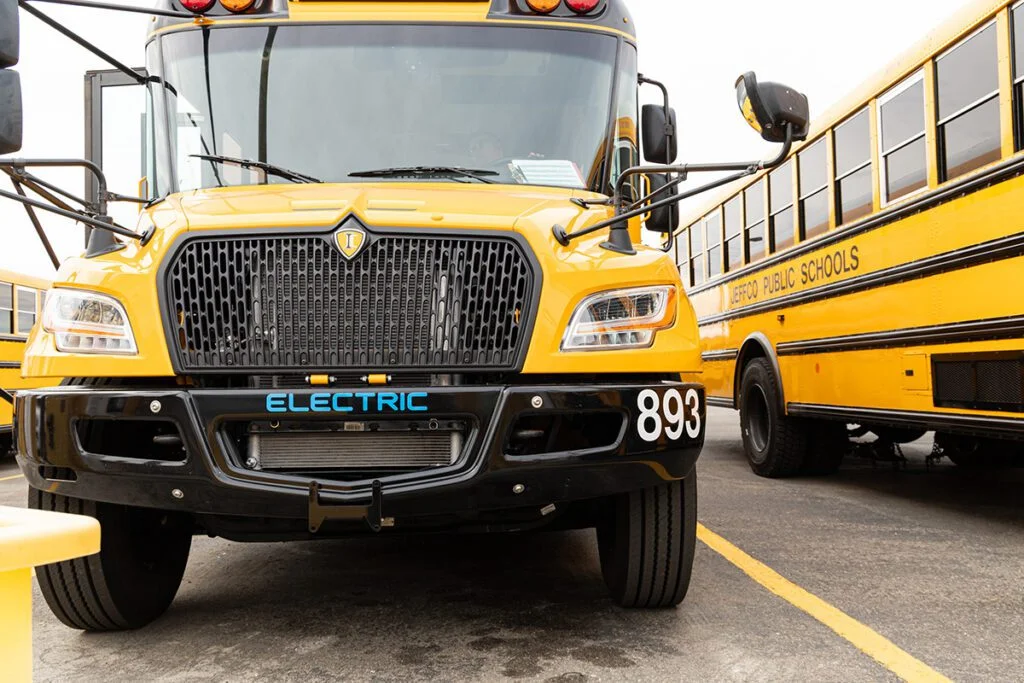
In a significant move toward sustainable transport, Jefferson County Public Schools (JCPS) has put into operation six electric school buses accompanied by six bidirectional chargers. Serving around 75,000 students across its 145 schools, JCPS is set to showcase the benefits of electric vehicles (EVs) in the educational environment during the current academic year.
Funding and Infrastructure Support
This rollout is supported by a substantial $3.4 million contribution from Xcel Energy through its Electric School Bus (ESB) Program. This initiative aims to facilitate the transition of school districts in Colorado towards electric transportation. Notably, Xcel’s comprehensive program is backing the introduction of a total of 38 electric school buses and 30 bidirectional charging stations across the state, indicating a broader commitment to reducing emissions in school transport systems.
Partnerships Enhancing Electrification
Integral to this project is the collaboration with Highland Electric Fleets, which employs its Electrification-as-a-Service (EaaS) model. This partnership not only encompasses the provision of the electric buses but also extends to the necessary charging infrastructure and long-term operational services. Such arrangements ensure that the transition to electric transport is both manageable and sustainable for the school district.
Demonstrating Bidirectional Charging Technology
The deployed buses are particularly notable for their use of bidirectional charging technology. This advanced feature allows the buses to operate as mobile energy assets, meaning they can store electricity in their batteries during off-peak hours and return it to the grid when demand spikes. This capability presents an innovative solution for energy management, particularly during peak usage times, offering real-world insights into the integration of electric vehicles with grid operations.
Environmental and Community Impact
Jeff Gatlin, Chief Operating Officer at Jeffco Public Schools, highlights the emerging advantages of this initiative, stating, “These new electric buses will deliver cleaner air for our students and schools while giving us a hands-on look at how innovative energy solutions can benefit our entire Lakewood community.” The shift to electric buses not only promises to enhance air quality but also serves as an educational tool, teaching students and the community about sustainable energy practices.
Robert Kenney, President of Xcel Energy, echoes this sentiment, emphasizing the dual benefits of the Electric School Bus Program: “Through our Electric School Bus Program, we’re helping school districts like Jefferson County Public Schools invest in cleaner transportation today while gaining valuable experience with technologies that can strengthen and add flexibility to the grid in the years ahead.”
Health Implications of Electric Bus Adoption
The project's health benefits are also significant. Brian Buccella, Chief Commercial Officer of Highland Electric Fleets, provided a compelling statistic: “Replacing just five diesel buses with electric school buses can reduce pediatric asthma risk for 1,500 students.” This aligns with growing evidence that electric vehicles contribute to improved public health outcomes by decreasing air pollution.
Broader Implications for the Electric Grid
The integration of electric buses into the school district not only addresses immediate transportation needs but also offers a peek into the future of energy consumption and management. Bidirectional charging allows for a more dynamic interaction between electric vehicles and the grid, potentially enabling schools to contribute to energy stability during high-demand periods. As such, school districts investing in this technology might find new avenues for operational savings and grid resilience.
This strategic initiative by Jefferson County Public Schools highlights the potential of electric vehicles not just to revolutionize school transportation but also to serve critical roles in community energy systems. As other districts observe and learn from this model, we may see a broader movement toward electrification in school transport, coupled with advanced energy management solutions.
In summary, as electric buses become a staple in school transport, educational institutions and energy providers alike can benefit from collaborative models that address both transportation needs and energy sustainability. This project stands as a benchmark for how school districts can lead in the transition to greener commuting solutions, setting the stage for others to follow.
Source: Highland Electric Fleets


