The Honda 0 Alpha electric SUV is set to debut in December 2026, featuring unique design elements and competitive specs aimed at the Indian market.
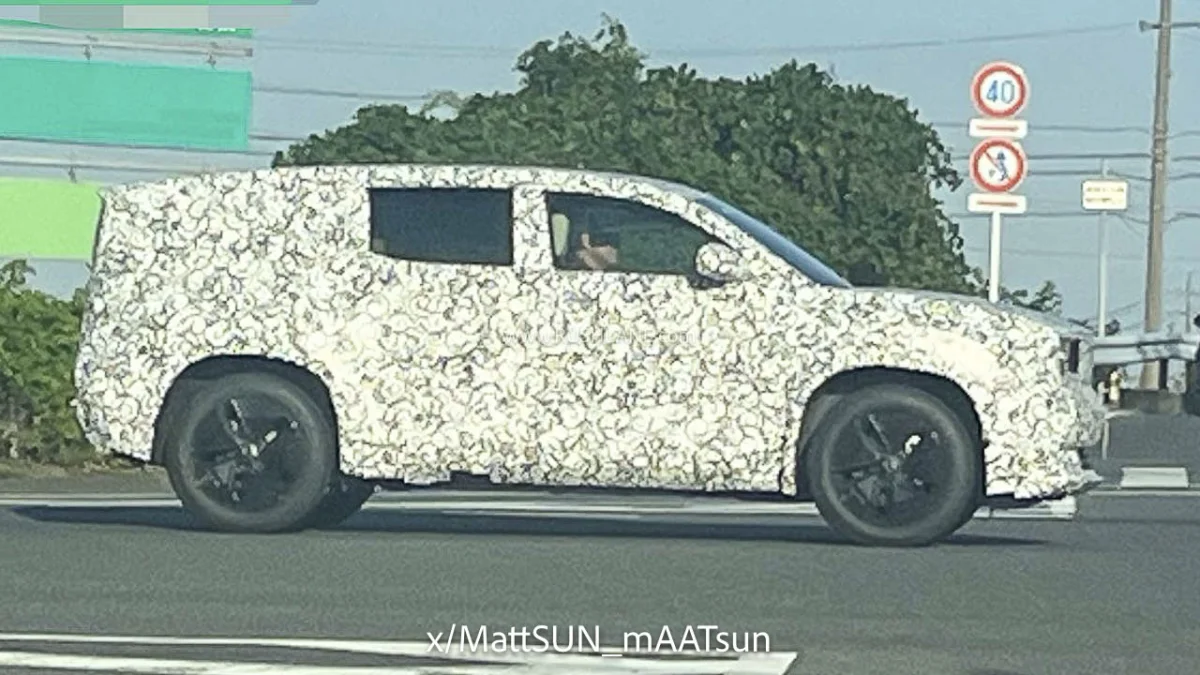
Honda has officially confirmed the launch of its all-new electric SUV, the Honda 0 Alpha, with a debut set for December 2, 2026, in India. This model marks a significant milestone as it will be Honda's first pure electric vehicle (EV) tailored specifically for the Indian market, aligning with Honda's commitment to electrification. The 0 Alpha was recently seen testing in Japan, building anticipation ahead of its anticipated introduction.

Design and Styling
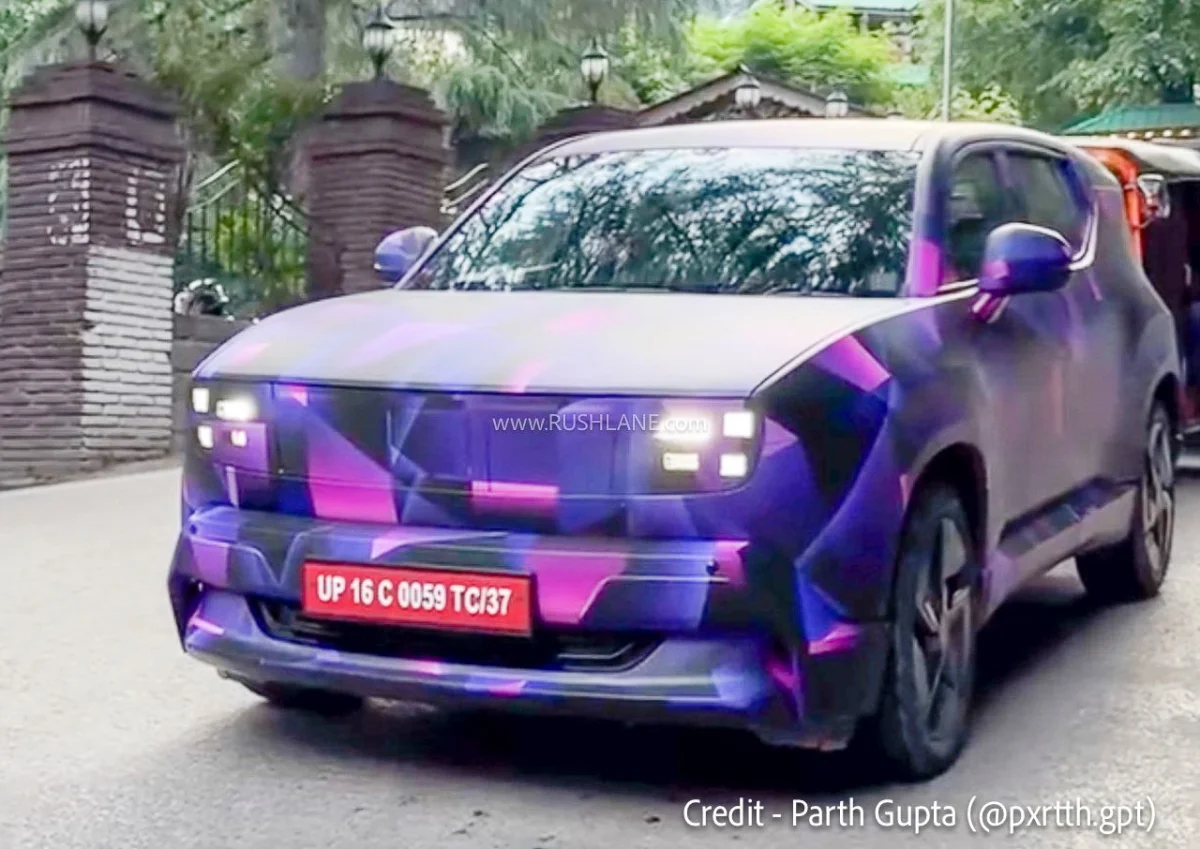
The Honda 0 Alpha boasts a distinctive and bold design that emphasizes a stable stance, prioritizing space and comfort for all passengers. While test vehicles were heavily camouflaged during spy shots, the vehicle's form follows closely with the concept version showcased during its debut at the Japan Mobility Show in Tokyo in October 2025. The SUV has also been spotted undergoing tests near Honda's Tapukara manufacturing plant in Rajasthan, wherein indications suggest that the production version will remain true to its prototype roots.
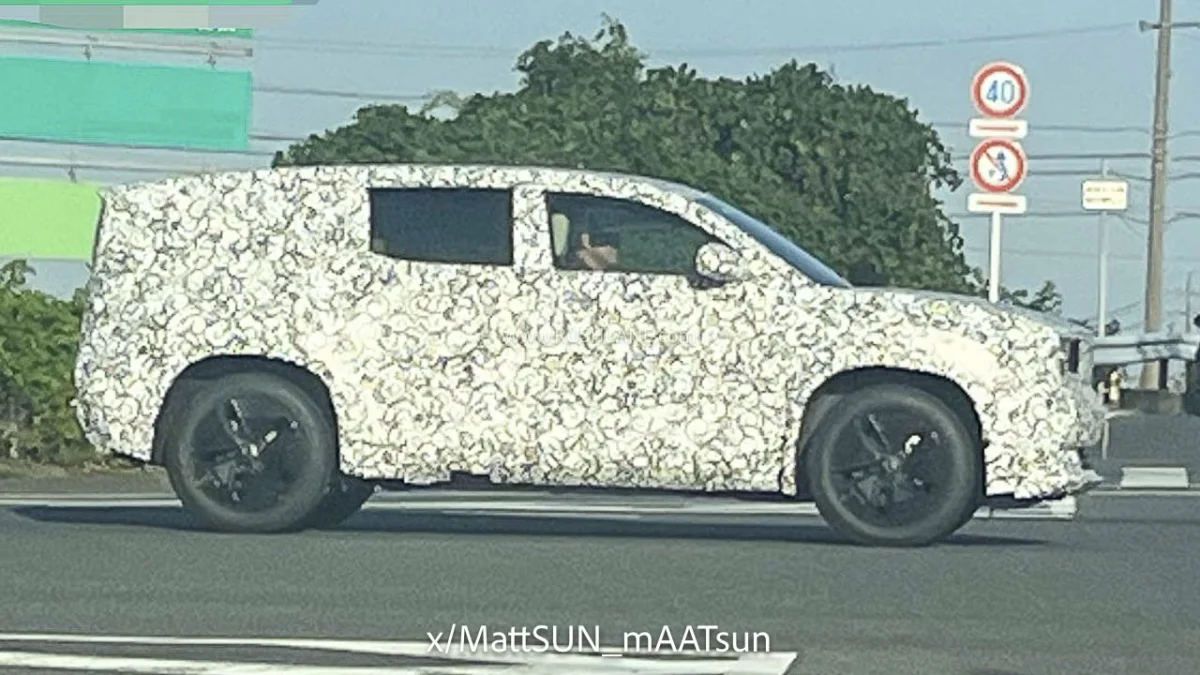
At the front, the 0 Alpha features a sleek, closed-off fascia, characterized by a slim black panel that connects the rectangular LED headlights. The illuminated Honda emblem and charging port are centrally situated, which reflects a clean and modern appearance. The side profile presents a boxy and upright silhouette supported by prominent wheel arches, flush door handles, and striking 19-inch aero alloy wheels. The tall roofline and expansive glass area hint at a spacious occupant cabin.
Moving to the rear, the SUV showcases a robust design with a thick C-pillar and a nearly vertical tailgate. A U-shaped LED light bar enhances visibility, while the rugged bumper, complete with a skid plate, adds to its assertive look.

Interior Features
The interior design of the Honda 0 Alpha merges simplicity with modern technology. A prominent free-floating touchscreen is positioned atop the dashboard, offering an intuitive control experience. Complementing this, a smaller, fully digital display exists behind the flat-bottom steering wheel, providing essential driver information at a glance. Physical buttons located below the touchscreen manage climate controls and additional functions, enhancing user accessibility.
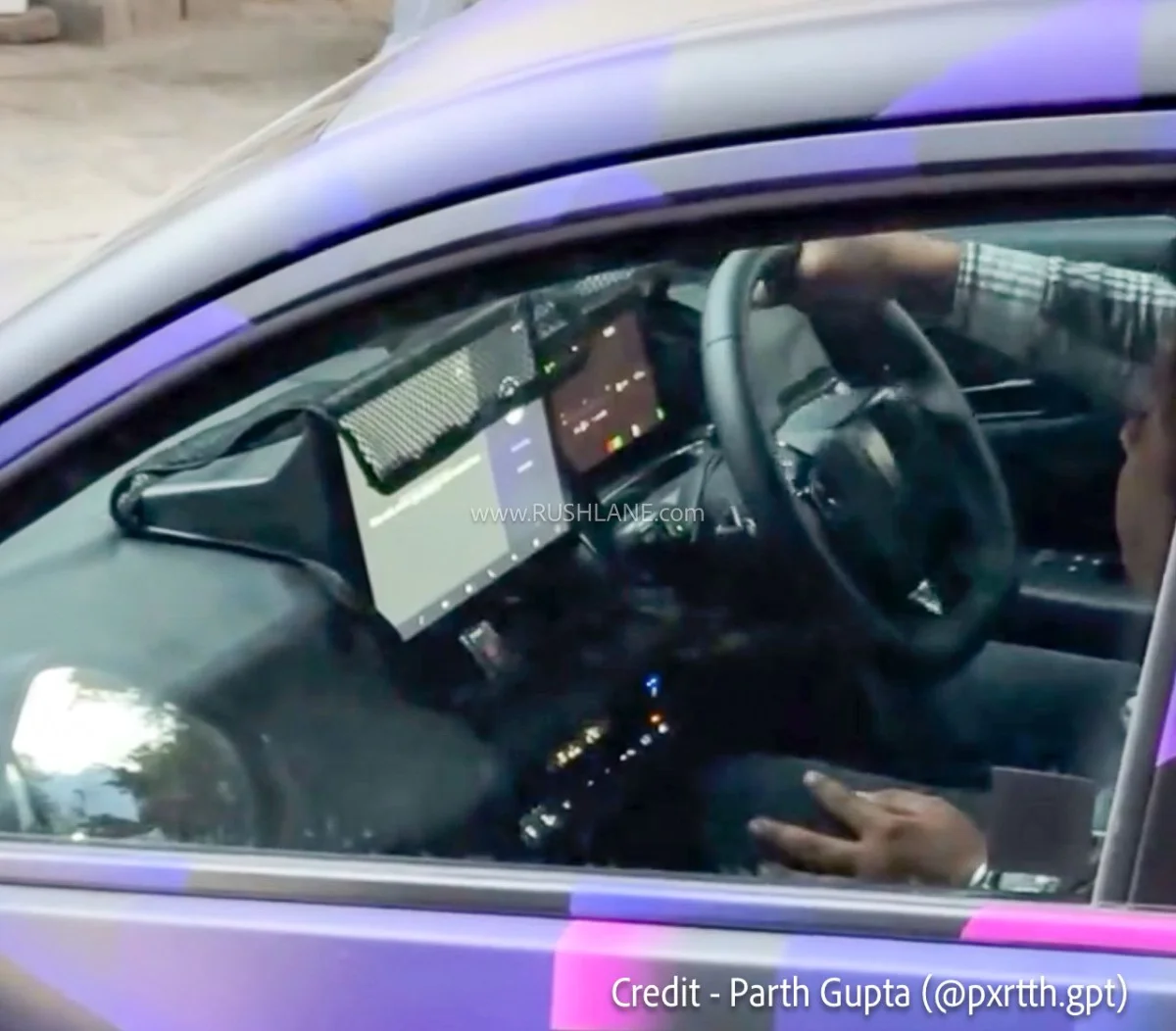
Anticipated features include wireless support for both Android Auto and Apple CarPlay, advanced connected-car technologies, a comprehensive 360-degree camera system, and a premium audio setup. Such features are targeted to enhance user experience and align with the expectations of tech-savvy consumers.
Performance and Specifications
While Honda has yet to disclose comprehensive specifications for the 0 Alpha, it is expected to be built on a dedicated EV platform. The structure will likely utilize a compact e-Axle powertrain system that drives the front wheels through a single electric motor. Speculative reports indicate that the SUV may be available with lithium iron phosphate (LFP) battery options, offering capacities of 65 kWh and 75 kWh.

In terms of performance, the Honda 0 Alpha could achieve a range exceeding 500 kilometers, positioning it as a competitive option within the growing EV market. Advanced DC fast-charging capabilities are also anticipated, allowing drivers to charge the battery from 20% to 80% in approximately 15 minutes. As part of Honda’s "Thin, Light and Wise" strategy, the 0 Alpha is designed as an accessible entry point for first-time EV buyers.
Market Position and Competitors
India has been earmarked as a priority market for Honda, with the 0 Alpha being produced locally at the Tapukara facility to bolster both domestic sales and exports to regions such as Japan and other parts of Asia. Upon launch, the Honda 0 Alpha will compete against notable rivals, including the Hyundai Creta Electric, Tata Sierra EV, and Mahindra BE 6.
This strategic move aligns with the broader industry trend where established manufacturers are transitioning to electrification to meet evolving consumer preferences and regulatory demands. Honda's entry into the Indian electric SUV segment represents more than just the introduction of a new vehicle; it's a clear signal of its commitment to innovation in mobility and sustainable transport.
As the launch date approaches, more information regarding the final specifications, pricing, and availability will likely emerge, further shaping the market landscape for electric SUVs in India.