The J3068 AC charging standard offers a cost-effective alternative for EV fleets, providing higher power levels without the expense of DC chargers.

As the electric vehicle (EV) sector rapidly evolves, commercial fleet managers face challenges in efficiently charging their vehicles. A closer examination of the J3068 charging standard reveals notable advantages that make it worth considering for fleet operations. Implementing the right charging technologies can lower costs, enhance efficiency, and prevent unnecessary utility upgrades.

Debunking Myths About Charging Technology
It's a common misconception that DC fast charging is the only viable option for large commercial fleets. While medium- and heavy-duty EVs indeed require higher power inputs than typical passenger cars, they do not always need the swiftest charging solutions. For fleets with predictable schedules, such as trucks that return to depots overnight, slower charging can be both efficient and cost-effective.
The prevailing thought in North America attributes low-power AC charging (approximately 10-15 kW) to J1772 and NACS standards, which neglect the potential of three-phase AC systems. In contrast, DC charging stations entail higher costs and often cumbersome installation processes that may require significant electrical infrastructure improvements.
Advantages of the J3068 Standard
The SAE J3068 standard enables three-phase AC charging, facilitating a power range suitable for the needs of commercial fleets. Specifically, a standard 480-volt, 63-amp configuration can provide around 52 kW, while advanced versions can push up to 131 kW in specific setups, all with reduced infrastructure investment compared to DC charging solutions.
This three-phase approach is already widely adopted in Europe and Asia, boasting established supply chains for the necessary hardware—something not commonly recognized by many infrastructure planners in the U.S.
Ned Funnell, a Product Manager at Zaptec, has been an advocate for J3068, having previously worked for Lincoln Electric, where he honed his insights into charging solutions for electric fleets. According to him, the potential cost savings and practical advantages of using J3068 could fundamentally change fleet charging operations.
How J3068 Works
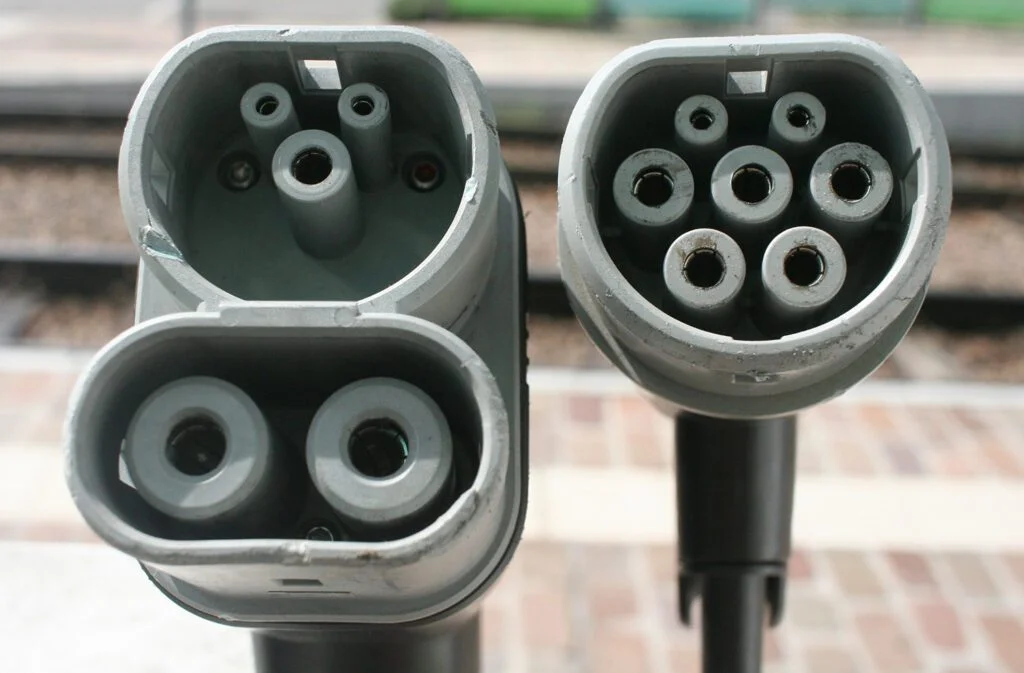
The mechanics of the J3068 allows for enhanced power delivery; by utilizing three conductors rather than just two, power output can increase by 73% at the same current and voltage. Furthermore, moving to higher voltage systems, which J3068 facilitates, multiplies the power capacity even further. In many industrial facilities across the U.S., a standard 480 V 3-phase AC supply is readily available, negating the need for costly transformers typically required by J1772 systems.
For fleets that already operate with three-phase power, this adaptation means lower installation costs and more streamlined logistics. As Funnell elaborates, most fleet depots are already equipped for three-phase power, making the implementation of J3068 a straightforward and economical transition.
A Shift in Standards
The choice of J1772 for North American charging standards can be traced back to decisions made with residential vehicles in mind. In contrast, Europe leveraged an established Type 2 connector system compatible with three-phase power throughout its grid. This foundational difference places North American fleets at a disadvantage when it comes to accessing efficient and effective charging solutions.
The implications of transitioning to J3068 for fleets have substantial potential. Fleet operators could enhance their depot efficiency by shifting charging from single-phase to three-phase. Not only does this offer higher power rates at lower costs, but it also allows for more vehicles to be charged simultaneously without investing in costly DC charging installations.
Infrastructure Considerations
Transitioning to J3068 would address many prevalent issues fleet operators currently face. The complexities and expenses associated with DC infrastructure upgrades can be substantial. By utilizing existing three-phase power systems, fleets circumvents troublesome overhead costs and delays resulting from transformer installations and utility upgrades.
For instance, Funnell points out that installing DC chargers does not just mean purchasing the hardware; fleet operators also risk installing costly step-down transformers, making high-capacity DC charging a complicated and often prohibitive option. J3068 integrates power without necessitating the expensive changes traditionally associated with accommodating DC chargers, potentially inspiring a wave of future implementation among fleets.
Real-World Applications and Case Studies
Several firms are already exploring the benefits of the J3068 standard. Range Energy, for instance, leverages J3068 for their electric-powered semi-trailers. Here, the value of three-phase power is evident—the refrigerated trailers require energy to maintain temperature, traditionally powered by diesel generators. By utilizing three-phase power from depots, they can enhance operational efficiency while reducing reliance on fossil fuels.
Additionally, the curbside charging startup ‘it’s electric’ is adopting J3068 for their detachable cable charging model. In Europe, many Level 2 charging stations do not utilize attached cables, allowing drivers to bring their own cables—this trend appears to be gaining traction in the U.S. as well.
Fleets focusing on medium-duty trucks and delivery vehicles, such as Harbinger Motors, are prime candidates for the benefits of J3068. Their energy requirements often lie within the sweet spot that three-phase Level 2 charging can offer efficiently, and adopting J3068 may fit well into their operational framework.
Challenges and Considerations
While the implementation of the J3068 standard holds promise, there are challenges that still need to be addressed. For instance, integrating this new connectivity into existing EV models often requires modifications to onboard charging systems. Recognition needs to grow within the manufacturing sector to understand the viability of incorporating high-power onboard charging systems compatible with three-phase designations.
Industry players need to recognize that while the J3068 offers significant advantages, the transition will not happen overnight. Vehicle manufacturers will need to embrace this change before widespread adoption can occur, ensuring their fleets are capable of charging without extensive operational disruptions.
Future Implications for Fleet Charging
The key takeaway here is that fleet operators can expect to maximize their operational efficiency while minimizing costs by transitioning to three-phase J3068 charging systems. As more entities in the industry regard J3068 for fleet deployments, it may usher in an evolution of commercial EV charging standards across North America. The focus now shifts to vehicle adaptability and the willingness of manufacturers to embrace necessary changes for onboard charging systems.
Fleets should continue to assess their charging capacities and explore the potential benefits offered by J3068. The tactical deployment of this standard may not only augment charging efficiencies but also help in achieving broader sustainability goals in the transition to electric vehicle adoption.
As Ned Funnell states, "In the U.S., there’s a lot of copper in these charging depots that’s unnecessary in a world where you can choose to give the vehicle 480-volt power." Embracing adaptable and economical charging standards, such as J3068, is essential for optimizing the future of fleet charging.